What Is Miofragia and How Does It Work?
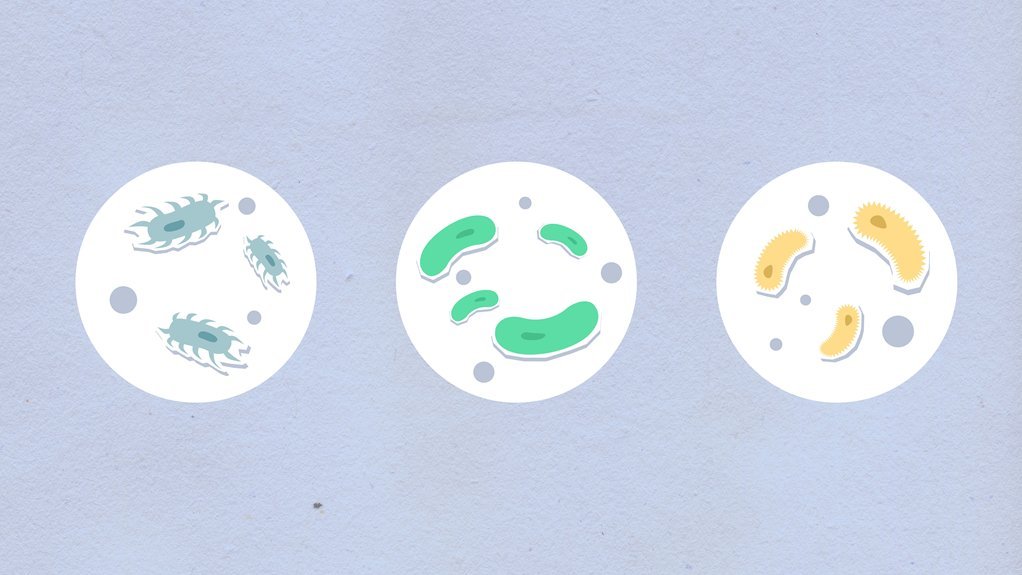
Miofragia is the deliberate fragmentation of complex systems into modular subsystems. It reallocates functions, boundaries, and interfaces according to defined criteria to improve governance and targeted intervention. In biology and health, selective pressures and signaling changes can remodel systems into units with distinct roles. Practical effects may include shifts in energy, mood, and cognition. Evidence varies and methods emphasize reproducible observations, with careful interpretation amid gaps. The implications invite further scrutiny as frameworks evolve.
What Is Miofragia? A Clear Concept Overview
Miofragia is a conceptual framework used to describe the process by which a complex system undergoes fragmentation into distinct subsystems. It characterizes fragmentation as criteria-driven reallocation of functions, boundaries, and interfaces.
The framework highlights clarity benefits, enabling targeted interventions and improved governance, while signaling potential risks such as loss of integrative coherence and misaligned incentives. Observers emphasize empirical validation and cautious application.
The Biology Behind Miofragia: How It Arises in the Body
The fragmentation processes described in Miofragia arise from selective pressures that reshape biological systems into modular units.
The biology behind Miofragia involves complex signaling and adaptive remodeling, yet supporting data remain limited.
Researchers report insufficient evidence for a single mechanism and note inconsistent findings across studies, suggesting multiple interacting pathways.
A cautious interpretation emphasizes provisional models subject to replication and rigorous methodological controls.
Practical Impacts: What Miofragia Means for Daily Health
Emerging evidence suggests that Miofragia-related fragmentation could influence daily health in several practical ways, though findings remain provisional.
The practical impacts include subtle shifts in energy, mood, and cognitive clarity, mediated by biological mechanisms such as neural signaling and metabolic flux.
Research methods vary, emphasizing observational patterns and controlled measurements while prioritizing reproducibility and clear health-context interpretation for readers seeking freedom in choice.
How Researchers Study Miofragia: Methods, Evidence, and Gaps
Researchers employ a combination of observational studies, controlled experiments, and cross-disciplinary analytics to examine Miofragia, aiming to uncover causal links, replicable patterns, and context-dependent effects.
The inquiry synthesizes data on miofragia mechanisms, harnessing rigorous research methodologies to identify biomarker signals, intervention outcomes, and variability across populations, while acknowledging methodological gaps, replication challenges, and the need for standardized protocols to strengthen evidentiary confidence.
Frequently Asked Questions
Is Miofragia Contagious or Hereditary?
Is miofragia contagious? No evidence supports contagious transmission; the condition is not established as infectious. Current data do not confirm hereditary status as a defining factor. Further research clarifies etiologies, while researchers remain cautious and evidence-based.
What Are Common Early Signs of Miofragia?
Silent bells toll softly: early signs include muscle weakness, fatigue, and occasional coordination lapses, with symptom progression often gradual over weeks to months. Objective observation and medical evaluation are essential, guiding evidence-based management for those seeking informed, autonomous care.
Can Lifestyle Changes Reverse Miofragia?
Lifestyle impact varies; reversibility options exist but depend on causative factors and medical guidance. The condition may show partial improvement with targeted interventions, yet complete reversal is not guaranteed. Individual outcomes differ; ongoing monitoring and evidence-based adjustments are essential.
Are There Approved Treatments or Cures for Miofragia?
There are no approved treatments or cure status confirmed for miofragia; management strategies focus on symptom relief. Ongoing clinical trials explore options, with prognosis remaining uncertain and survival options discussed cautiously as researchers evaluate efficacy and safety.
How Long Does Miofragia Typically Last or Progress?
Miofragia progression varies; it may stabilize or slowly advance over years. It often presents with fluctuating symptoms. Aspects like muscle weakness and fatigue influence daily life, underscoring a lifestyle impact. It is not uniformly predictable, and monitoring is essential.
Conclusion
Miofragia, the deliberate fragmentation of complex systems into modular subsystems, aims to clarify governance and enable targeted interventions while preserving adaptability across domains. In biology, selective pressures and signaling can reshape networks into units with distinct roles, though evidence remains mixed and provisional. Practically, effects may touch energy, mood, and cognition, underscoring the need for reproducible observations and cautious interpretation. A physician’s ledger—each page a module reorganized to improve patient outcomes—illustrates the concept’s utility and limits.