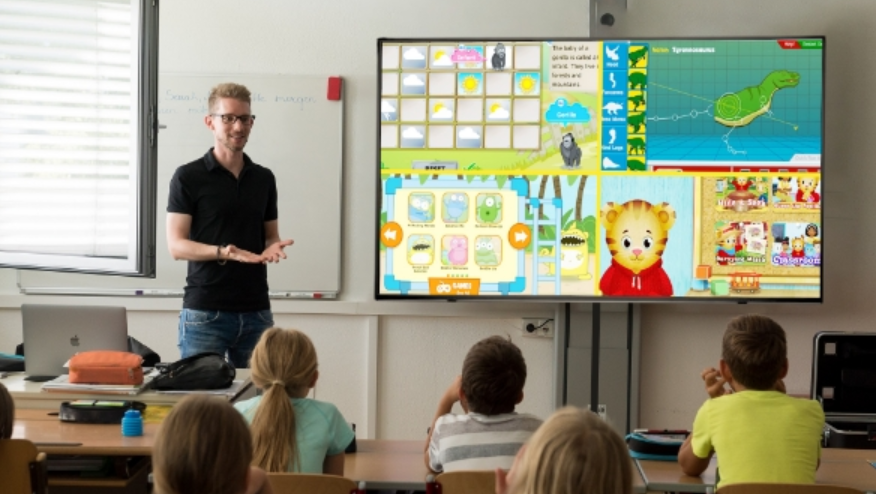
How Gamification Enhances Learning
Gamification in education transforms conventional learning into a more engaging experience. By integrating game elements, such as points and challenges, it captures student interest and motivates participation. This approach not only encourages autonomy but also provides immediate feedback, enhancing knowledge retention. As educators explore these innovative strategies, they may uncover unexpected benefits that challenge traditional instructional methods. What remains to be seen is the long-term impact on student outcomes and engagement levels.
The Principles of Gamification in Education
While traditional educational methods often rely on passive learning, the principles of gamification in education introduce a dynamic approach that actively engages students.
By incorporating game mechanics such as points, badges, and challenges, educators can foster motivation and enhance learning outcomes.
This innovative strategy encourages exploration and self-directed learning, allowing students to experience education as an interactive journey rather than a mere obligation.
See also: How Quantum Computing Will Transform Everyday Life
Benefits of Gamification for Student Engagement
Gamification significantly enhances student engagement by transforming the learning environment into an interactive experience that captivates learners’ interest.
By integrating game elements, educators provide a motivation boost that encourages participation and persistence.
Interactive assessments further reinforce this engagement, allowing students to actively apply their knowledge while receiving immediate feedback.
This dynamic approach fosters a sense of autonomy, making learning more appealing and effective.
Successful Examples of Gamification in Learning Environments
The impact of gamification on student engagement is evident in various innovative learning environments that have successfully implemented game-based elements.
For instance, educators have utilized game-based assessments that provide immediate feedback, fostering motivation. Additionally, interactive storytelling has captivated students, allowing them to explore narratives while enhancing comprehension.
Such examples illustrate how gamification can transform traditional learning into dynamic, immersive experiences that encourage student autonomy and creativity.
Implementing Gamification Strategies in Your Curriculum
Incorporating gamification strategies into a curriculum can significantly enhance student engagement and learning outcomes.
By integrating game mechanics such as points, badges, and leaderboards, educators can create a dynamic learning environment that motivates students to actively participate.
This innovative approach fosters a sense of achievement, encouraging learners to take ownership of their education and ultimately improving overall learning outcomes through enjoyable, interactive experiences.
Conclusion
In conclusion, gamification emerges as a powerful tool to revolutionize the educational landscape, with studies indicating that 89% of students feel more motivated when learning is game-oriented. This innovative approach not only enhances engagement but also fosters a sense of ownership in the learning process. By integrating game mechanics into curricula, educators can create dynamic environments that stimulate curiosity and improve knowledge retention, ultimately leading to a more enjoyable and effective educational experience for students.