Business Analytics Overview: 4104548862, 4106770170, 4107533411, 4108472753, 4109343511, 4122611113
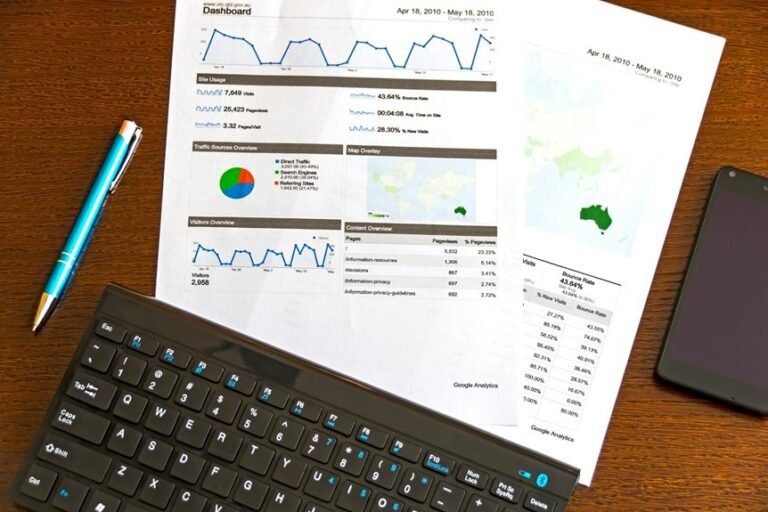
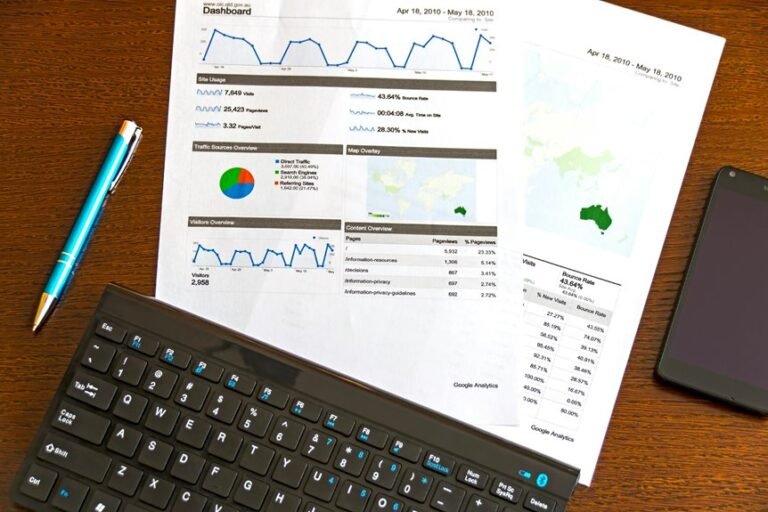
Business analytics serves as a critical framework for organizations seeking to leverage data for strategic advantage. By integrating methodologies such as data visualization and predictive modeling, firms can uncover valuable insights that inform decision-making processes. The ability to forecast trends and optimize operations is essential in today’s competitive landscape. Understanding the tools and techniques available is vital for any organization aiming to adapt effectively. What remains to be explored are the specific applications that drive success in diverse business environments.
Key Concepts in Business Analytics
While the field of business analytics encompasses a variety of methodologies and tools, it fundamentally revolves around several key concepts that enable organizations to derive actionable insights from data.
Data visualization transforms complex datasets into understandable graphics, facilitating decision-making.
Predictive modeling employs statistical techniques to forecast future trends, enhancing strategic planning.
Together, these concepts empower organizations to harness data for informed, agile responses in a dynamic environment.
Tools and Techniques for Effective Analysis
Effective analysis in business analytics relies on a diverse array of tools and techniques designed to extract meaningful insights from data.
Key methodologies include data visualization, which enhances comprehension through graphical representation, and predictive modeling, which forecasts future trends based on historical data.
Together, these approaches enable organizations to make informed decisions, fostering innovation and adaptability in an ever-evolving business landscape.
Applications of Business Analytics in Organizations
The utilization of business analytics spans various applications across organizations, driving efficiency and enhancing decision-making processes.
Through data-driven decision making, organizations can harness insights to optimize operations, reduce costs, and improve customer experiences.
Additionally, predictive modeling allows businesses to forecast trends, enabling proactive strategies that align with market demands.
These applications empower organizations to innovate and maintain competitive advantages in their respective industries.
Conclusion
In conclusion, business analytics acts as a compass in the turbulent sea of modern commerce, guiding organizations toward informed decision-making and operational efficiency. By harnessing key methodologies and tools, businesses can navigate evolving market dynamics and capitalize on emerging trends. The strategic application of analytics not only fosters competitive advantage but also enhances customer satisfaction, ultimately transforming raw data into a valuable asset. As reliance on data-driven strategies grows, the significance of business analytics continues to expand.